
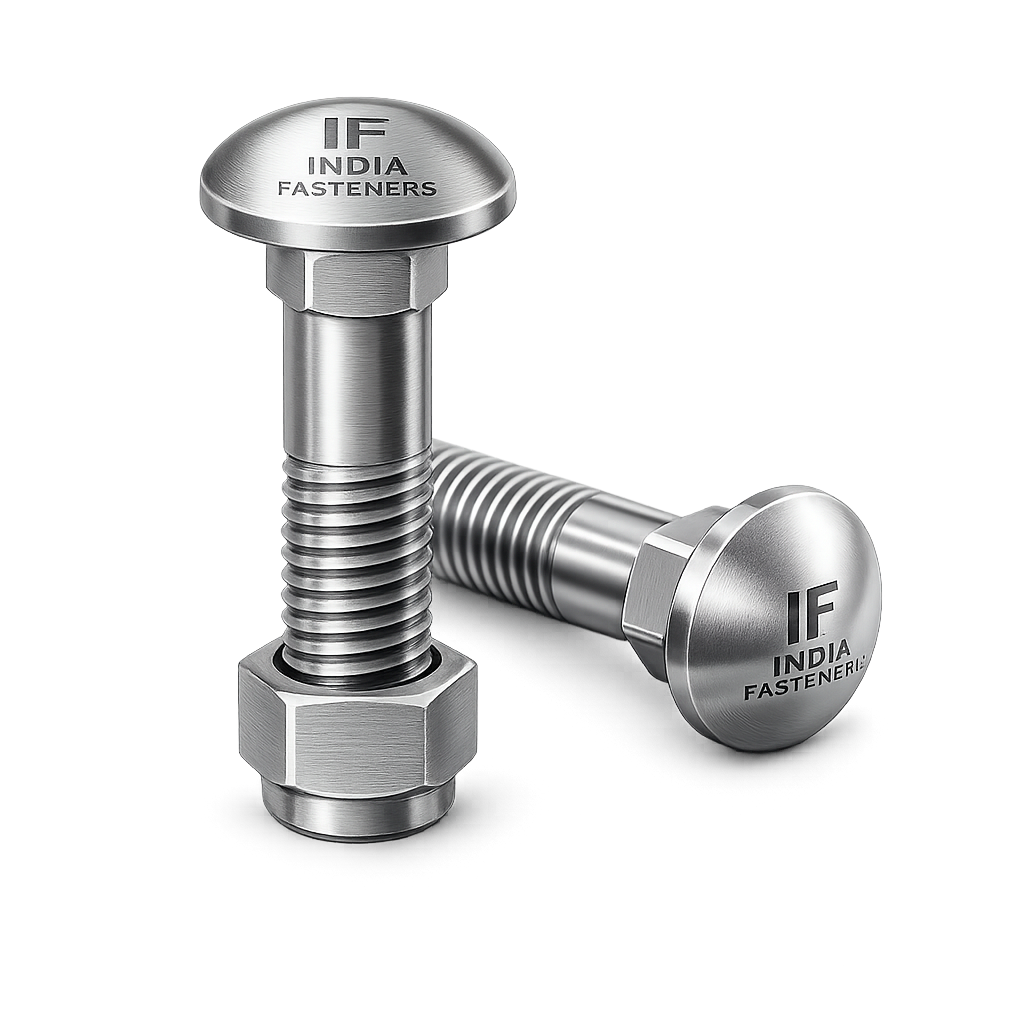
step bolts
step bolts in GCC Infrastructure & Industrial Access Systems
1. Regional Industry Context (Middle East Focus)
Vertical access within confined and below-grade infrastructure is a standard engineering requirement across GCC civil, utility, and industrial projects. In Saudi Arabia, UAE, Qatar, and other Gulf countries, the combination of deep utility networks, high groundwater salinity, and large-scale industrial installations creates a consistent need for permanent, corrosion-resistant access systems embedded within structural elements.
1.1 Underground Sewer and Drainage Systems
Municipal sewer networks across GCC cities are typically constructed using reinforced concrete manholes, inspection chambers, and deep access shafts. These structures range from shallow service pits (~1.5 m depth) to deep trunk sewer manholes exceeding 10–15 meters.
Key access requirements include:
- Safe and repeatable vertical entry for maintenance personnel
- Resistance to hydrogen sulfide (H₂S) exposure and microbiologically induced corrosion (MIC)
- Long service life without frequent replacement
- Slip-resistant climbing interface under wet and contaminated conditions
Step bolts are commonly cast into concrete walls during precast or in-situ construction, forming an integrated climbing system without reliance on removable ladders.
1.2 Manholes and Inspection Chambers
Manholes serve as access points for inspection, cleaning, and maintenance. In GCC infrastructure:
- Internal diameters typically range from 900 mm to 2000 mm
- Depths vary based on network gradient and utility routing
- Environmental exposure includes sewage gases, humidity, and temperature fluctuations
Step bolts provide:
- Fixed climbing geometry
- Consistent spacing for ergonomic ascent/descent
- Reduced obstruction compared to ladder frames
Unlike ladder systems, embedded step bolts do not reduce internal clear diameter significantly, which is critical in smaller chambers.
1.3 Water Transmission and Desalination Infrastructure
Desalination plants and potable water transmission networks incorporate underground tanks, valve chambers, and inspection pits. These environments present:
- Continuous exposure to chlorides
- Intermittent wet-dry cycles
- High ambient temperatures (often exceeding 45°C surface conditions)
Material selection for step bolts in such systems prioritizes:
- Stainless steel (SS316) for chloride resistance
- Passivated surfaces to minimize corrosion initiation
- Dimensional stability over long service life
Step bolts are installed in:
- Valve pits
- Pump chambers
- Storage reservoirs
- Inspection shafts
1.4 Petrochemical Tank Farms and Underground Pits
Tank farms and process facilities require access to:
- Bund wall drainage pits
- Underground process chambers
- Interceptor pits and containment systems
Environmental exposure includes:
- Hydrocarbon residues
- Chemical contaminants
- Elevated temperatures
- Occasional mechanical impact during maintenance
Step bolts in these applications must maintain:
- Mechanical integrity under chemical exposure
- Non-slip surface performance even with oil contamination
- Structural anchorage under repeated dynamic loading
1.5 Refinery Confined Space Access Systems
Refineries incorporate multiple confined spaces such as:
- Sumps
- Drain pits
- Process trenches
- Underground vaults
Access systems must comply with strict safety protocols, including:
- Reliable load-bearing capacity
- Predictable spacing and geometry
- Minimal maintenance requirements
Step bolts are preferred in confined vertical shafts where:
- Ladder installation is impractical
- Space constraints limit structural attachments
- Permanent embedded solutions are required
1.6 Power Plant Service Pits and Cable Trenches
Power plants in the GCC region include:
- Cable trenches
- Turbine service pits
- Cooling water structures
These structures require:
- Frequent access for inspection and cable management
- Resistance to moisture and occasional chemical exposure
- Compatibility with reinforced concrete construction
Step bolts provide:
- Durable climbing points
- Integration with cast-in-place or precast concrete systems
- Reduced installation complexity compared to ladder assemblies
1.7 Municipal Infrastructure (UAE / Saudi Urban Projects)
Urban infrastructure expansion across Riyadh, Jeddah, Dubai, and Abu Dhabi includes:
- Stormwater drainage systems
- Utility tunnels
- Smart city underground networks
Design considerations include:
- Long-term durability (design life often 25–50 years)
- Minimal maintenance access disruption
- Worker safety under high humidity and temperature
Step bolts are incorporated as standard components in design drawings for:
- Manholes
- Access shafts
- Underground chambers
1.8 Engineering Need for Safe Vertical Access
Confined vertical structures require controlled and predictable climbing systems. Step bolts fulfill this requirement by:
- Providing fixed footholds at defined intervals
- Ensuring load transfer directly into structural concrete
- Eliminating dependency on removable access equipment
Key engineering considerations:
- Human ergonomics (step spacing and projection)
- Load-bearing capacity per step
- Stability during ascent and descent
1.9 Permanently Embedded Climbing Systems
Unlike portable ladders, embedded step bolts:
- Are integrated into the structure during construction or retrofitted via anchoring
- Do not require periodic installation/removal
- Reduce risk of improper setup
This is particularly critical in:
- Emergency access situations
- Deep confined structures
- High-frequency maintenance environments
1.10 Worker Safety in High-Temperature GCC Environments
GCC conditions introduce additional risks:
- Elevated ambient temperatures
- Metal surface heating due to solar exposure
- High humidity in coastal regions
Step bolt design must consider:
- Thermal expansion compatibility with concrete
- Surface treatments to reduce slip risk
- Material selection to avoid excessive heat retention where possible
1.11 Corrosion Risks in Sewer, Saline, and Coastal Zones
Common corrosion mechanisms include:
- Chloride-induced corrosion (coastal and desalination environments)
- Sulfide corrosion (sewer systems)
- Chemical attack (industrial plants)
Mitigation strategies:
- Use of stainless steel (SS304 / SS316)
- Hot-dip galvanizing for carbon steel
- Protective coatings (epoxy, bitumen)
- Proper embedment depth to reduce exposure
1.12 Slip Hazards Due to Environmental Conditions
Step bolts must maintain traction under:
- Wet surfaces
- Oil contamination
- Biological growth
- Chemical residues
Anti-slip features include:
- Knurled surfaces
- Serrated step profiles
- Polymer or PTFE-based coatings
2. Technical Definition of Step Bolts
Step bolts are structural fastening components designed to function as fixed climbing supports within vertical concrete or masonry structures.
2.1 Core Definition
A step bolt is:
- A load-bearing metallic element
- Installed either by embedding in concrete or via mechanical anchoring
- Designed to act as a foothold for personnel accessing vertical shafts
It functions as:
- A single-step climbing point
- Part of a sequential access system
- A structural interface transferring human load into the host structure
2.2 Functional Role
Step bolts serve as:
- Ladder substitutes in confined vertical environments
- Permanent access points within infrastructure systems
- Structural components subject to repeated loading cycles
They are not decorative or auxiliary components; they are safety-critical elements.
2.3 Types of Step Bolts
2.3.1 Straight Shank Step Bolts
- Cylindrical rod with one end embedded or anchored
- Step portion projects horizontally from wall
- Common in mechanical anchor installations
Characteristics:
- Simpler geometry
- Suitable for post-installed applications
- Requires reliable anchoring system
2.3.2 Bent (U-Type / L-Type) Embedded Step Bolts
- Formed with bends to improve anchorage within concrete
- Installed during casting
Advantages:
- Higher pull-out resistance
- Load distribution over embedded length
- Reduced reliance on mechanical anchors
Used extensively in:
- Precast manholes
- Cast-in-place shafts
2.3.3 Shield Anchor / Expansion-Type Step Bolts
- Installed in pre-drilled holes
- Use expansion mechanisms to develop anchorage
Application scenarios:
- Retrofit installations
- Replacement of damaged step bolts
- Structures where embedding was not pre-planned
Engineering requirement:
- Verification of concrete strength
- Proper torque application during installation
2.3.4 Anti-Slip Coated or Serrated Step Bolts
Surface modification enhances safety:
- Knurling for mechanical grip
- Serrated edges for improved traction
- Coatings to increase friction
Used in:
- Sewer systems
- Oil & gas facilities
- Wet or contaminated environments
2.4 Difference Between Step Bolts and Ladder Systems
| Parameter | Step Bolts | Ladder Systems |
|---|---|---|
| Installation | Embedded or anchored individually | Frame-based assembly |
| Space Requirement | Minimal | Requires structural clearance |
| Maintenance | Low | Moderate |
| Replacement | Individual bolt replacement | Section replacement |
| Structural Integration | Directly into concrete | Attached via brackets |
Step bolts are preferred when:
- Space is limited
- Permanent integration is required
- Simplicity and durability are priorities
2.5 Permanent vs Removable Access Systems
Permanent Systems (Step Bolts)
- Fixed in position
- Always available for use
- No installation dependency
Removable Systems (Ladders)
- Installed when required
- Require storage and handling
- Subject to improper installation risks
GCC infrastructure projects typically favor permanent systems for underground access.
2.6 Load Transfer Mechanism
When a user steps on a step bolt:
- Vertical load is applied at the step projection
- Bending moment develops at the embedded interface
- Shear force transfers into the concrete
- Bond stress distributes load along embedment length
Critical design considerations:
- Adequate embedment depth
- Concrete strength
- Bolt diameter and material strength
3. Load Bearing & Structural Safety Considerations
Step bolts are classified as safety-critical structural components. Their design must account for various loading conditions and failure modes.
3.1 Static Load from Personnel
Typical design assumptions:
- Single user load: 1.0 – 1.5 kN
- Multiple users (rare but possible): cumulative load considerations
Design must ensure:
- No permanent deformation under working load
- Adequate safety margin
3.2 Dynamic Loading During Climbing
Dynamic effects include:
- Step-to-step movement
- Load shifting between legs
- Acceleration and deceleration forces
Dynamic load factor typically applied:
- 1.2 to 1.5 times static load
3.3 Impact Loads
Occurs when:
- Foot engages step abruptly
- Slippage followed by sudden load transfer
Design consideration:
- Increased bending stress at root
- Need for higher safety factor
3.4 Pull-Out Resistance from Concrete
Critical for embedded step bolts.
Factors influencing pull-out:
- Embedment depth
- Concrete compressive strength
- Surface condition of embedded section
- Presence of bends or anchors
3.5 Shear Force on Embedded Section
Shear stress develops at the interface:
- Between bolt and concrete
- Along the embedment length
Design must ensure:
- Shear stress < allowable material limit
- No brittle failure
3.6 Bending Stress in Step Bolt
Step bolts act as cantilever beams.
σ=MZ\sigma = \frac{M}{Z}σ=ZM
Where:
- σ\sigmaσ = bending stress
- MMM = bending moment
- ZZZ = section modulus
Design must ensure stress remains within allowable limits.
3.7 Shear Stress Calculation
τ=VA\tau = \frac{V}{A}τ=AV
Where:
- τ\tauτ = shear stress
- VVV = applied shear force
- AAA = cross-sectional area
3.8 Pull-Out Strength Estimation
Pull-out capacity is influenced by bond stress: P=τb⋅π⋅d⋅LP = \tau_b \cdot \pi \cdot d \cdot LP=τb⋅π⋅d⋅L
Where:
- PPP = pull-out load
- τb\tau_bτb = bond stress
- ddd = diameter
- LLL = embedment length
3.9 Factor of Safety for Human Load Systems
For access systems, conservative safety factors are applied:
- Typical range: 3 to 5
- Higher values used in corrosive environments
Rationale:
- Human safety critical application
- Unpredictable loading conditions
- Long service life requirements
3.10 GCC Civil Infrastructure Safety Practices
Design and approval practices typically include:
- Conservative load assumptions
- Material traceability requirements
- Third-party inspection validation
- Documentation of load testing
Consultants evaluate:
Installation method compliance
Structural adequacy
Corrosion resistance
4. Applicable Standards (Mapped to GCC Use)
Step bolts used in GCC infrastructure projects are evaluated against internationally recognized material and mechanical standards. Selection is not generic; it is driven by environmental exposure, structural requirements, and project specifications defined by EPC contractors and consultants.
4.1 ASTM A36 / ASTM A307 (Carbon Steel – General Applications)
Scope:
- ASTM A36: Structural carbon steel
- ASTM A307: Carbon steel bolts and studs (low to medium strength)
Relevance to Step Bolts:
These materials are used in:
- Municipal infrastructure (manholes, drainage chambers)
- Non-aggressive environments
- Applications where galvanizing or coating provides corrosion protection
Engineering Characteristics:
- Moderate yield strength
- Good weldability and formability
- Suitable for bending into L-type or U-type embedded configurations
Limitations in GCC Context:
- Susceptible to corrosion in sewer and coastal environments
- Requires mandatory surface protection (e.g., hot-dip galvanizing or bitumen coating)
4.2 ASTM A193 Grade B7 (High Strength Applications)
Scope:
- Alloy steel with heat treatment for high strength
Relevance to Step Bolts:
Used in:
- Heavy-duty access systems
- Deep shafts with higher load requirements
- Industrial applications where additional mechanical strength is required
Engineering Characteristics:
- High tensile and yield strength
- Suitable for high-load cantilever conditions
- Requires controlled heat treatment
Limitations:
- Requires corrosion protection in GCC environments
- Not typically preferred in sewer systems without coating
4.3 ASTM A276 / ASTM A479 (Stainless Steel – SS304 / SS316)
Scope:
- Stainless steel bars and shapes for structural and fastener applications
Grades Used:
- SS304: General corrosion resistance
- SS316: Enhanced resistance to chlorides and marine environments
Relevance to Step Bolts:
Preferred in:
- Sewer systems
- Coastal infrastructure
- Desalination plants
- Chemical and petrochemical environments
Engineering Characteristics:
- High corrosion resistance
- Stable mechanical properties across temperature variations
- Non-reactive in most industrial environments
Material Selection Guidance:
- SS304: Suitable for general municipal applications
- SS316: Mandatory for marine, high-chloride, or aggressive chemical exposure
4.4 EN 10088 (Stainless Steel – European Standard)
Scope:
- Defines chemical composition and mechanical properties of stainless steels
Relevance:
- Commonly referenced in GCC projects with European design standards
- Aligns with SS304 / SS316 equivalents
Application:
- Infrastructure projects involving European consultants
- Water and wastewater treatment systems
4.5 ISO 898 (Mechanical Properties of Fasteners)
Scope:
- Defines mechanical properties of carbon and alloy steel fasteners
Relevance to Step Bolts:
- Applicable where threaded step bolts or anchor-type installations are used
- Provides classification for strength grades
4.6 BS / EN Ladder and Access Safety References
Although step bolts are not traditional ladders, safety practices are influenced by:
- EN ladder safety standards
- BS access system guidelines
These define:
- Step spacing
- Load requirements
- Ergonomic considerations
4.7 OSHA / EN Safety Guidelines (General Reference)
Used as reference frameworks for:
- Worker safety
- Access system design
- Load assumptions
These are not directly governing standards in GCC projects but are often referenced during design validation.
4.8 Material Selection Mapping to GCC Conditions
| Environment | Recommended Material |
|---|---|
| Dry internal chambers | Carbon steel (galvanized) |
| Sewer systems (H₂S exposure) | SS304 / SS316 |
| Coastal / marine zones | SS316 |
| Desalination plants | SS316 |
| Chemical plants | SS316 or coated alloy steel |
| Heavy-duty industrial pits | ASTM A193 B7 (with coating) |
5. Material Comparison Table (Mandatory)
| Material Grade | Yield Strength (MPa) | Tensile Strength (MPa) | Corrosion Resistance | Service Environment | Typical GCC Application |
|---|---|---|---|---|---|
| ASTM A36 | ~250 | 400–550 | Low (requires coating) | Dry / low exposure | Municipal manholes |
| ASTM A307 | ~240 | 400–550 | Low (requires coating) | General infrastructure | Drainage systems |
| ASTM A193 B7 | ~720 | ~860 | Low (requires coating) | High-load industrial | Deep shafts / heavy-duty access |
| SS304 (ASTM A276) | ~205 | ~515 | Moderate | Sewer / water systems | Manholes, pits |
| SS316 (ASTM A276) | ~205 | ~515 | High | Marine / chemical | Desalination, coastal |
6. Surface Protection & Corrosion Control
Material selection alone is insufficient in GCC environments. Surface protection systems are critical to ensure long-term performance.
6.1 Hot-Dip Galvanizing (HDG)
Process:
- Immersion in molten zinc
- Formation of metallurgical bond
Advantages:
- Thick protective layer (~70–100 microns)
- Suitable for outdoor and underground applications
Limitations:
- Not ideal for highly acidic or H₂S-rich sewer environments over long durations
6.2 Electroplating (Zinc Plating)
Process:
- Electrochemical deposition of zinc
Advantages:
- Uniform coating
- Smooth finish
Limitations:
- Thin coating (~5–25 microns)
- Not suitable for aggressive environments
6.3 Epoxy Coating
Application:
- Powder or liquid coating applied after fabrication
Advantages:
- High chemical resistance
- Suitable for industrial environments
Limitations:
- Requires surface preparation
- Susceptible to mechanical damage if not handled properly
6.4 Bitumen Coating (Underground Use)
Application:
- Applied to embedded section
Advantages:
- Protection against soil moisture and chemicals
- Common in sewer infrastructure
6.5 PTFE / Anti-Slip Coatings
Purpose:
- Improve surface grip
- Reduce slip risk
Application Areas:
- Step projection (foot contact area)
6.6 Stainless Steel Passivation
Process:
- Chemical treatment to enhance oxide layer
Advantages:
- Improves corrosion resistance
- Removes surface contaminants
6.7 Environmental Exposure Considerations
Salt-Laden Air (Coastal GCC)
- Accelerates corrosion
- Requires SS316 or heavy-duty coatings
Sewer Gas Exposure (H₂S)
- Causes sulfide corrosion
- Requires stainless steel or specialized coatings
Chemical Exposure
- Present in petrochemical plants
- Requires compatibility with process chemicals
7. Manufacturing Process Flow (Documentation Level)
Manufacturing of step bolts requires controlled processes to ensure dimensional accuracy, mechanical performance, and corrosion resistance.
7.1 Raw Material Verification
- Material grade confirmation
- Chemical composition verification
- Mechanical property certification
Documentation:
- Mill Test Certificates (MTC)
7.2 Cutting & Forming
- Bars cut to required length
- Bending operations for L-type or U-type configurations
Control Parameters:
- Bend radius
- Dimensional tolerance
- Surface integrity (no cracking)
7.3 Thread Rolling (If Applicable)
- Applied for anchor-type step bolts
- Improves fatigue resistance compared to cut threads
7.4 Knurling / Anti-Slip Surface Formation
- Mechanical deformation to create grip pattern
- Applied on step projection
Purpose:
- Increase friction coefficient
- Improve safety under wet conditions
7.5 Heat Treatment (If Required)
Applicable for:
- High-strength materials (e.g., ASTM A193 B7)
Processes:
- Quenching and tempering
Control:
- Hardness verification
- Microstructure consistency
7.6 Surface Coating / Galvanizing
- HDG, epoxy, or plating applied
- Coating thickness monitored
Inspection:
- Coating adhesion
- Uniformity
7.7 Dimensional Inspection
Parameters checked:
- Diameter
- Projection length
- Embedment length
- Alignment
Tolerance control ensures:
- Uniform installation
- Ergonomic consistency
7.8 Load Testing (Sample Basis)
- Performed on representative samples
- Verifies bending and pull-out performance
Typical tests:
- Static load test
- Deformation measurement
7.9 Final Inspection
Includes:
- Visual inspection
- Surface finish verification
- Coating integrity
7.10 Marking & Traceability
Identification includes:
- Material grade
- Batch number
- Manufacturer identification
Traceability ensures:
- Compliance with EPC documentation requirements
- Alignment with inspection agency expectations
7.11 Manufacturing Consistency Requirements
Critical parameters:
Step Projection Length
- Must be consistent for ergonomic climbing
- Typically within ±2–3 mm tolerance
Alignment Tolerance
- Horizontal alignment must be maintained
- Prevents uneven climbing path
Surface Finish Safety
- No sharp edges
- Uniform anti-slip pattern
7.12 Documentation for GCC Projects
Manufacturing documentation typically includes:
- Material Test Certificates (EN 10204 3.1 / 3.2)
- Coating certificates
- Inspection reports
- Dimensional inspection records
- Load test reports
These are required for:
- EPC contractor approval
- Consultant review
- Third-party inspection validation
8. Dimensional Reference Tables (Professional Format)
Step bolt dimensions are defined based on structural performance, ergonomic requirements, and installation conditions. The following table represents commonly adopted configurations for GCC infrastructure projects. Final dimensions are subject to project specifications and consultant approval.
8.1 Standard Step Bolt Dimensional Table
| Bolt Diameter (mm) | Step Projection Length (mm) | Embedment Depth (mm) | Thread Length (mm)* | Recommended Spacing (mm) | Approx. Weight (kg/pc) |
|---|---|---|---|---|---|
| 12 | 200 | 100 – 120 | 40 – 50 | 250 – 300 | 0.25 |
| 14 | 220 | 120 – 140 | 50 – 60 | 250 – 300 | 0.35 |
| 16 | 250 | 140 – 160 | 60 – 70 | 250 – 300 | 0.50 |
| 18 | 280 | 160 – 180 | 70 – 80 | 250 – 300 | 0.70 |
| 20 | 300 | 180 – 200 | 80 – 100 | 250 – 300 | 0.95 |
| 22 | 320 | 200 – 220 | 90 – 110 | 250 – 300 | 1.20 |
*Applicable only for anchor-type step bolts.
8.2 Dimensional Considerations
Bolt Diameter:
- Determines load capacity and bending resistance
- Minimum 12 mm for light-duty municipal applications
- 16–20 mm commonly used in GCC infrastructure
Step Projection Length:
- Typically 200–300 mm
- Must allow safe foot placement
- Excessive projection increases bending moment
Embedment Depth:
- Critical for pull-out resistance
- Typically 8–12 times bolt diameter
Thread Length (if applicable):
- Depends on anchor system
- Must ensure full engagement
9. Load Capacity Table
Step bolt load capacity is defined based on material strength, diameter, and installation method.
9.1 Safe Working Load (SWL) vs Ultimate Load
| Bolt Diameter (mm) | Material | Ultimate Load (kN) | Recommended SWL (kN) | Factor of Safety |
|---|---|---|---|---|
| 12 | Carbon Steel (HDG) | 5.0 | 1.25 – 1.50 | 3 – 4 |
| 14 | Carbon Steel (HDG) | 7.0 | 1.75 – 2.0 | 3 – 4 |
| 16 | Carbon Steel (HDG) | 9.5 | 2.5 – 3.0 | 3 – 4 |
| 18 | Carbon Steel (HDG) | 12.0 | 3.0 – 3.5 | 3 – 4 |
| 20 | Carbon Steel (HDG) | 15.0 | 3.5 – 4.5 | 3 – 4 |
| 16 | SS304 | 8.5 | 2.0 – 2.5 | 3 – 4 |
| 20 | SS316 | 14.0 | 3.0 – 4.0 | 3 – 4 |
9.2 Load Interpretation
Ultimate Load:
- Maximum load before failure
Safe Working Load (SWL):
- Allowable load under normal operation
- Derived using safety factor
Factor of Safety:
- Typically 3 to 5 for human access systems
- Higher in corrosive or critical applications
9.3 Carbon Steel vs Stainless Steel Performance
- Carbon steel offers higher initial strength but requires coating
- Stainless steel provides long-term durability with slightly lower yield strength
- In sewer and marine environments, stainless steel provides more consistent long-term performance
10. Installation Spacing & Layout Guide (Mandatory)
Proper layout ensures safe and ergonomic climbing.
10.1 Vertical Spacing
- Standard range: 250 mm to 300 mm
- Must remain consistent throughout height
Engineering basis:
- Human stride and reach
- Safe ascent/descent without overextension
10.2 Horizontal Alignment
- Step bolts should be staggered (left-right alternating)
- Typical horizontal offset: 100–150 mm
Purpose:
- Mimics ladder climbing motion
- Improves balance and stability
10.3 Minimum Wall Thickness
- Recommended minimum: 150 mm
- Must accommodate embedment depth and structural integrity
10.4 Edge Distance
- Minimum edge distance: 75–100 mm
- Prevents concrete cracking and spalling
10.5 Ergonomic Considerations
Design must ensure:
- Comfortable foot placement
- Natural climbing posture
- Reduced fatigue during ascent
11. Pull-Out Strength Calculation Guide
Pull-out resistance is a key parameter for embedded step bolts.
11.1 Basic Pull-Out Formula
P=τb⋅π⋅d⋅LP = \tau_b \cdot \pi \cdot d \cdot LP=τb⋅π⋅d⋅L
Where:
- PPP = pull-out load (N)
- τb\tau_bτb = bond stress (N/mm²)
- ddd = bolt diameter (mm)
- LLL = embedment length (mm)
11.2 Concrete Strength Assumption
Typical values:
- M20 concrete → bond stress ~1.2 N/mm²
- M25 concrete → bond stress ~1.5 N/mm²
11.3 Sample Calculation
Given:
- Diameter = 16 mm
- Embedment = 150 mm
- Bond stress = 1.5 N/mm²
P=1.5×π×16×150P = 1.5 \times \pi \times 16 \times 150P=1.5×π×16×150 P≈11,300 N (≈11.3kN)P ≈ 11,300 \text{ N } (≈ 11.3 kN)P≈11,300 N (≈11.3kN)
11.4 Interpretation
- This represents theoretical pull-out capacity
- Actual capacity reduced by safety factor
11.5 Consultant Approval Considerations
Consultants typically require:
- Calculation sheet submission
- Concrete grade confirmation
- Test validation (if required)
12. Mechanical Property Table
| Material | Yield Strength (MPa) | Tensile Strength (MPa) | Elongation (%) | Hardness (HB) |
|---|---|---|---|---|
| ASTM A36 | ~250 | 400–550 | 20–23 | 120–180 |
| ASTM A193 B7 | ~720 | ~860 | ~16 | 200–235 |
| SS304 | ~205 | ~515 | ~40 | 150–200 |
| SS316 | ~205 | ~515 | ~40 | 150–200 |
12.1 Engineering Interpretation
- Higher yield strength → better resistance to bending
- Higher elongation → improved ductility and impact resistance
- Hardness → resistance to surface wear
13. Corrosion Resistance Comparison Table
| Material Type | Sewer Environment | Marine Exposure | Chemical Plants | High Humidity | Underground Installations |
|---|---|---|---|---|---|
| Carbon Steel (Galvanized) | Moderate (limited life) | Low | Moderate | Moderate | Moderate |
| SS304 | Good | Moderate | Good | Excellent | Excellent |
| SS316 | Excellent | Excellent | Excellent | Excellent | Excellent |
13.1 Interpretation
- SS316 is preferred for critical infrastructure
- SS304 suitable for general municipal use
- Galvanized steel acceptable where exposure is limited
14. Inspection & Quality Assurance
step bolts supplied for GCC projects are subject to strict inspection and documentation requirements.
14.1 Dimensional Inspection
Verification of:
- Diameter
- Length (projection and embedment)
- Thread dimensions (if applicable)
Tools used:
- Vernier calipers
- Gauges
14.2 Coating Thickness Testing
Applicable for:
- Galvanized and coated bolts
Methods:
- Magnetic thickness gauge
- Micron verification
14.3 Load Testing
Conducted on sample basis:
- Static load application
- Measurement of deflection
- Verification against specified load
14.4 Visual Inspection
Checks include:
- Surface defects
- Coating uniformity
- Sharp edges or burrs
14.5 Third-Party Inspection Readiness
Projects may require inspection by:
- Independent inspection agencies
- Client-appointed inspectors
Verification includes:
- Material traceability
- Manufacturing records
- Test reports
14.6 Material Test Certificates
Documentation:
- EN 10204 3.1 (manufacturer certified)
- EN 10204 3.2 (third-party certified)
Contents:
- Chemical composition
- Mechanical properties
- Heat number traceability
14.7 Documentation Package for GCC Approval
Typical submission includes:
- General arrangement drawings
- Material specifications
- Calculation sheets
- Inspection reports
- Coating certificates
- Load test reports
14.8 Quality Control Philosophy
For infrastructure-grade step bolts:
- Consistency is critical
- Variations in geometry can affect safety
- Coating defects can reduce service life
Quality control ensures:
- Structural reliability
- Compliance with EPC requirements
- Acceptance by consultants and inspection bodies
15. Industries Served (Middle East Focus)
Step bolts are deployed across multiple infrastructure and industrial sectors in the GCC region. Their selection is governed by structural safety, corrosion exposure, and long-term maintenance considerations.
15.1 Municipal Sewer Infrastructure
Application Areas:
- Manholes
- Deep sewer shafts
- Inspection chambers
- Stormwater drainage systems
Engineering Requirements:
- Resistance to H₂S-induced corrosion
- Non-slip climbing surface under wet conditions
- Long-term durability without replacement
Material Selection:
- SS304 for general sewer systems
- SS316 for aggressive or coastal sewer environments
Installation Method:
- Embedded during precast manhole production
- Post-installed in rehabilitation projects
15.2 Desalination Plants
Application Areas:
- Pump chambers
- Intake structures
- Valve pits
- Storage reservoirs
Environmental Conditions:
- High chloride concentration
- Continuous moisture exposure
- Elevated ambient temperatures
Engineering Requirements:
- High corrosion resistance
- Stability under thermal variation
- Minimal maintenance
Material Selection:
- SS316 (preferred)
- Passivated finish for enhanced durability
15.3 Oil & Gas Facilities
Application Areas:
- Tank farm pits
- Bund drainage systems
- Underground utility chambers
Exposure Conditions:
- Hydrocarbon presence
- Chemical residues
- Occasional mechanical impact
Engineering Requirements:
- Structural integrity under dynamic loads
- Anti-slip performance in oily conditions
- Compatibility with industrial cleaning agents
Material Selection:
- SS316 for corrosion resistance
- Coated high-strength steel for heavy-duty applications
15.4 Refineries
Application Areas:
- Process pits
- Confined access chambers
- Drainage systems
Requirements:
- Compliance with confined space access safety
- Resistance to chemical exposure
- Reliable load-bearing performance
Design Consideration:
- Step spacing and alignment must comply with safety guidelines
- Anti-slip features are critical
15.5 Petrochemical Plants
Application Areas:
- Chemical handling pits
- Utility trenches
- Underground containment structures
Exposure Conditions:
- Corrosive chemicals
- High humidity
- Temperature variation
Material Selection:
- SS316 or higher-grade alloys
- Epoxy-coated steel for specific chemical compatibility
15.6 Power Plants
Application Areas:
- Cable trenches
- Turbine pits
- Cooling water systems
Engineering Requirements:
- Resistance to moisture and corrosion
- Consistent geometry for maintenance access
- Integration with reinforced concrete structures
15.7 Underground Utility Systems
Application Areas:
- Electrical vaults
- Communication chambers
- Smart infrastructure tunnels
Requirements:
- Long service life (25–50 years)
- Minimal maintenance intervention
- Safe and reliable access
16. Export & GCC Supply Capability
India Fasteners operates as a manufacturer and exporter of step bolts aligned with GCC project requirements. Supply capability is structured to meet EPC contractor and consultant expectations.
16.1 Regional Supply Coverage
Export supply includes:
- Saudi Arabia
- UAE (Dubai, Abu Dhabi)
- Qatar
- Oman
- Kuwait
- Bahrain
16.2 Export Packaging
Packaging is designed to prevent mechanical damage and corrosion during transit.
Typical Methods:
- Bundling by size and length
- Wooden palletization
- Steel strapping
16.3 Anti-Corrosion Packing
For extended shipping durations:
- VCI (Volatile Corrosion Inhibitor) wrapping
- Moisture-resistant covers
- Sealed packaging for stainless steel products
16.4 Documentation Pack
Each shipment is supported with documentation required for EPC approval:
- Commercial invoice
- Packing list
- Material Test Certificates (EN 10204 3.1 / 3.2)
- Coating certificates
- Inspection reports
16.5 Mill Test Certificates
MTCs include:
- Chemical composition
- Mechanical properties
- Heat number traceability
These are essential for:
- Consultant approval
- Third-party inspection
- Project documentation
16.6 Inspection Clearance
Inspection readiness includes:
- Pre-dispatch inspection (if required)
- Dimensional verification
- Coating inspection
Inspection may be conducted by:
- Client-appointed inspectors
- Independent agencies
16.7 Traceability Records
Each batch is traceable through:
- Heat number
- Production batch number
- Inspection records
Traceability ensures:
- Compliance with project specifications
- Accountability in case of field issues
17. Procurement & Installation Engineering View
Step bolt selection and installation must align with structural design, site conditions, and safety requirements.
17.1 Concrete Casting Stage Embedding
Method:
- Step bolts positioned in formwork before concrete pouring
Advantages:
- Maximum anchorage strength
- Integral bonding with concrete
Control Requirements:
- Alignment accuracy
- Correct embedment depth
- Secure positioning during casting
17.2 Post-Installed Anchor Installation
Method:
- Drilling holes in cured concrete
- Installing anchor-type step bolts
Applications:
- Retrofit projects
- Replacement of damaged bolts
Engineering Considerations:
- Concrete strength verification
- Anchor type selection
- Installation torque control
17.3 Alignment and Leveling
Proper installation ensures:
- Consistent vertical spacing
- Correct horizontal offset
- Safe climbing geometry
Tolerance control is critical to prevent:
- Uneven load distribution
- User discomfort or risk
17.4 Torque Requirements (Anchor Type)
For mechanical anchors:
- Torque must match manufacturer specification
- Over-tightening may damage concrete
- Under-tightening reduces pull-out resistance
17.5 On-Site Inspection
Inspection parameters:
- Visual alignment
- Embedment verification
- Surface condition
Inspection is typically conducted:
- During installation
- After completion
17.6 Replacement and Maintenance Guidelines
Although step bolts are designed for long service life:
Replacement may be required due to:
- Corrosion damage
- Mechanical deformation
- Coating failure
Replacement method:
- Removal of damaged bolt
- Installation of anchor-type replacement
17.7 Safety Compliance Checks
Before commissioning:
- Load-bearing verification
- Surface grip inspection
- Alignment confirmation
Compliance ensures:
- Safe personnel access
- Acceptance by project authorities
18. Custom Engineering Capabilities
Step bolts supplied for GCC projects often require customization based on project-specific requirements.
18.1 Non-Standard Lengths and Diameters
Custom sizes include:
- Increased projection length for deep shafts
- Larger diameters for higher load capacity
18.2 Heavy-Duty Load-Rated Step Bolts
Designed for:
- Industrial facilities
- High-frequency usage
Features:
- Increased diameter
- Enhanced embedment design
18.3 Special Coatings for Aggressive Environments
Options include:
- High-build epoxy
- Bitumen coating for underground sections
- Multi-layer protective systems
18.4 Stainless Steel and Duplex Supply
Material options:
- SS304
- SS316
- Duplex stainless steel (for extreme environments)
18.5 Anti-Slip Enhanced Designs
Enhancements include:
- Deep knurling
- Serrated step surfaces
- Coated grip surfaces
18.6 Project-Specific Fabrication
Customization based on:
- Drawings provided by EPC contractors
- Consultant specifications
- Site-specific requirements
Includes:
- Dimensional modifications
- Coating adjustments
- Packaging requirements
Final Engineering Positioning
Step bolts function as critical structural access components within GCC infrastructure. Their performance is directly linked to:
- Material selection aligned with environmental exposure
- Controlled manufacturing processes
- Accurate installation practices
- Verified load-bearing capacity
India Fasteners supplies step bolts with:
- Compliance to ASTM / EN / ISO material standards
- Manufacturing discipline aligned with EPC documentation requirements
- Inspection and traceability suitable for third-party validation
- Export capability structured for GCC project execution
From a consultant and EPC evaluation perspective, the suitability of step bolts is determined by:
- Structural safety under human load conditions
- Resistance to corrosion in regional environments
- Consistency in geometry and installation layout
- Availability of technical documentation and certification
This positions the product for evaluation in:
- Municipal infrastructure projects
- Oil & gas facilities
- Water and desalination systems
- Industrial and utility access structures