
Heavy Hex Bolts
1. Role of High-Strength Bolting in Energy & Infrastructure Projects
High-strength bolting systems form a fundamental component of structural and pressure equipment assemblies used throughout modern industrial infrastructure. In the energy and process industries of the Gulf region, mechanical fasteners must maintain joint integrity under high loads, fluctuating temperatures, vibration, and corrosive environmental conditions.
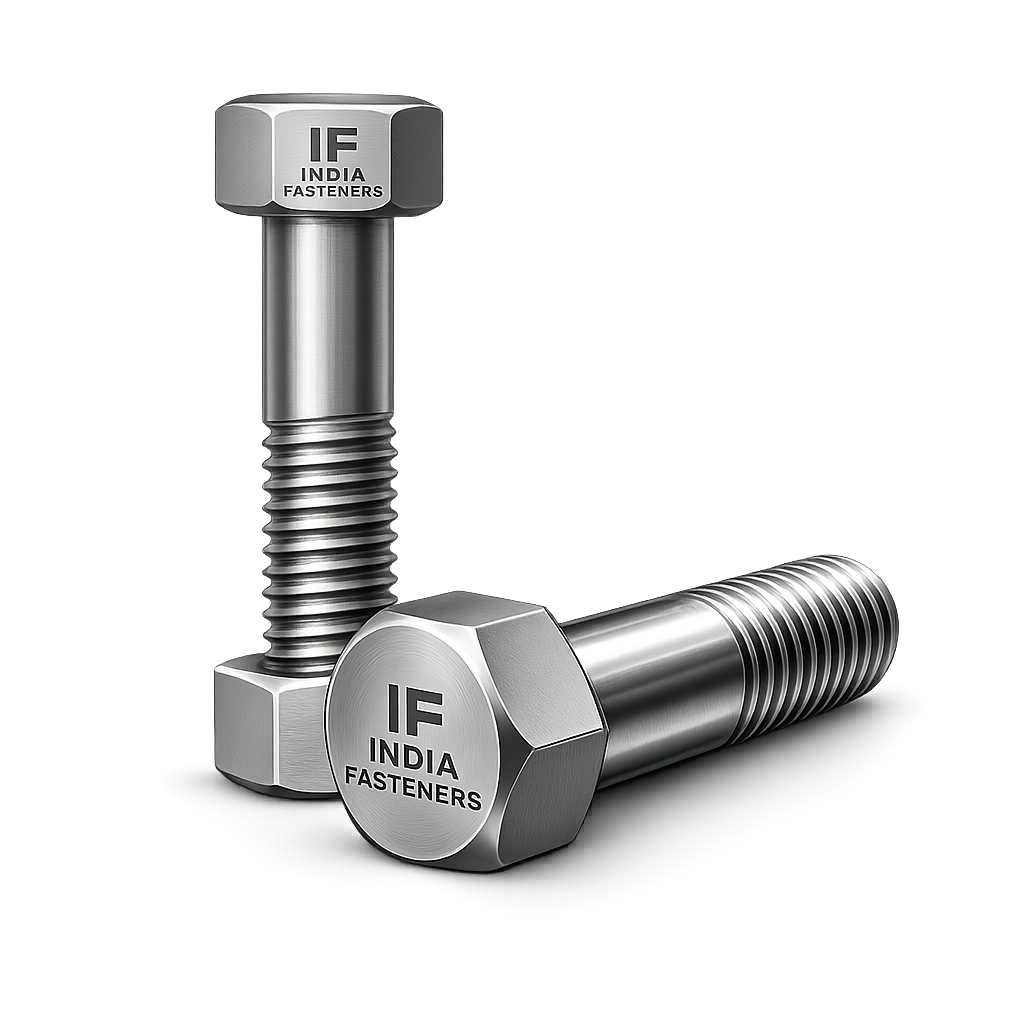
Within large-scale engineering projects executed across Saudi Arabia, the United Arab Emirates, Qatar, and other GCC countries, heavy hex bolts are routinely specified for structural steel connections, equipment mounting systems, and pressure equipment bolting assemblies.
These projects typically involve the integration of complex mechanical systems within harsh operating environments. Structural bolting therefore serves as a primary method of transferring mechanical loads and maintaining joint stability across interconnected components.
Heavy hex bolts are commonly used in the following industrial systems.
Oil and Gas Processing Facilities
In upstream and downstream oil and gas processing plants, heavy hex bolts are employed in structural frames supporting separators, heat exchangers, compressors, and piping systems. These facilities are subject to vibration, cyclic pressure loading, and temperature variations caused by process operations.
Bolted connections must therefore maintain stable clamping forces to prevent joint loosening and structural misalignment.
Petroleum Refineries
Refinery installations include numerous elevated pipe racks, steel process structures, and equipment support platforms. Structural bolting systems within these facilities transfer both static and dynamic loads generated by equipment weight, process fluid flow, and maintenance operations.
https://indiafastners.com/industrial-rods-astm
Heavy hex bolts provide reliable clamping force for these connections while maintaining compatibility with structural steel assemblies and equipment mounting plates.
LNG Terminals
Liquefied natural gas terminals require extensive steel structures supporting cryogenic process equipment, loading systems, and storage tanks. The structural framework must remain mechanically stable under thermal contraction effects caused by low temperature process conditions.
Heavy hex bolts are selected in these applications due to their high tensile capacity and compatibility with structural bolting standards used in cryogenic infrastructure.
Petrochemical Complexes
Large petrochemical developments such as those located in Jubail Industrial City in Saudi Arabia and the Ruwais Industrial Complex in the UAE involve extensive pipe rack systems, equipment platforms, and steel process structures.
Bolting systems in these facilities must withstand long-term exposure to corrosive chemical environments, wind loads, and operational vibration. Heavy hex bolts manufactured in accordance with ASTM structural bolting standards are widely used within these installations.
Offshore Platform Modules
Offshore production platforms consist of modular steel structures assembled onshore and transported for offshore installation. Structural bolting systems within these modules must resist high wind loads, wave-induced vibration, and fatigue loading caused by continuous structural movement.
Heavy hex bolts with high tensile strength are commonly used for these connections due to their ability to maintain preload stability under cyclic loading conditions.
Power Generation Facilities
Gas turbine power plants and combined cycle generation facilities require structural steel frameworks for turbine housings, HRSG units, duct systems, and auxiliary equipment platforms.
These structural assemblies experience significant thermal expansion during plant startup and shutdown cycles. Heavy hex bolts allow structural joints to maintain controlled clamping force despite thermal movement within steel members.
Pipeline Support Structures
Pipeline networks across the GCC often span long distances across desert terrain and industrial zones. Structural frames supporting elevated pipelines must transfer pipeline loads safely into foundation structures.
Bolted connections within these support frames must resist wind loads, thermal pipe expansion forces, and occasional seismic loads depending on regional design criteria.
Heavy hex bolts provide reliable structural fastening in these support systems due to their high load capacity and dimensional compatibility with structural steel assemblies…
India fastners
Desalination Plant Equipment Mounting
Large desalination plants located along the Arabian Gulf coast include high-capacity pumps, pressure vessels, filtration units, and large structural pipe systems. Equipment mounting frames within these facilities rely on high-strength bolting systems to maintain equipment alignment and operational stability.
The corrosive marine atmosphere surrounding coastal desalination plants requires bolting systems capable of maintaining structural integrity despite long-term environmental exposure.
1.1 Structural Load Transfer in Bolted Assemblies
Bolted structural joints transfer loads through the interaction between bolt tension, friction between connected surfaces, and the bearing resistance of the connected materials.
When a bolt is tightened, a tensile force is introduced into the bolt shank. This tensile force creates a compressive clamping force between the connected plates or structural members. The clamping force increases friction between the joint surfaces, allowing loads to be transferred through friction rather than direct bolt shear.
In slip-critical structural connections commonly specified for industrial steel structures, the frictional resistance between joint surfaces prevents relative movement under applied loads.
Joint Integrity Under Vibration
Industrial facilities frequently experience vibration generated by rotating equipment such as pumps, compressors, and turbines. Continuous vibration can gradually reduce bolt preload if fasteners are not properly designed and installed.
Heavy hex bolts used in structural applications are designed to maintain high clamping forces which improve resistance to vibration-induced loosening.
1.2 Thermal Expansion Effects in Gulf Climate
Steel structures installed in desert climates may experience ambient temperatures exceeding 50°C during summer months. Additionally, process equipment may operate at temperatures significantly above ambient levels.
Thermal expansion of steel members can generate additional stresses within bolted joints. Heavy hex bolts must therefore maintain sufficient elasticity to accommodate these thermal movements without experiencing yielding or relaxation.
Wind and Seismic Loading
Large industrial structures such as pipe racks, process towers, and offshore modules are subject to environmental loading. Wind loads generated by desert storms or coastal weather systems create lateral forces that must be safely transferred through structural joints.
Although the GCC region generally experiences low seismic activity compared with other global regions, certain project specifications still require structural connections to accommodate seismic load combinations.
High-strength structural bolts are capable of transferring these loads without compromising joint stability.
Bolted Flange Connections in Pressure Systems
In pressure systems such as piping networks and pressure vessels, bolting systems must maintain leak-tight flange connections. Heavy hex bolts manufactured in accordance with ASTM A193 grades are commonly used for these flange assemblies.
These bolts provide the necessary tensile strength to maintain gasket compression within pressure-retaining joints.
1.3 Why Heavy Hex Bolts Are Preferred for Critical Industrial Applications
Heavy hex bolts differ from standard hex bolts primarily through increased head dimensions and greater structural capacity. These design features provide several engineering advantages.
Larger Bearing Surface
The larger hex head increases the bearing area between the bolt head and the structural surface. This reduces localized stress concentration and improves load distribution across the connected component.
1.4 Higher Clamping Force Capability
Heavy hex bolts are typically manufactured from high-strength alloy steel grades capable of generating higher preload forces than general-purpose fasteners.
These higher clamp forces increase friction between structural plates, improving joint stability under load.
Compatibility with Structural Fastening Systems
Structural bolting assemblies generally include heavy hex nuts and hardened washers manufactured to compatible dimensional standards. These components form a coordinated bolting system designed to achieve reliable preload during installation.
Suitability for High-Tension Structural Joints
Many structural design codes specify heavy hex bolts for slip-critical joints where controlled tension is required to prevent joint movement.
Heavy hex bolts therefore serve as a standard fastening solution in structural steel construction, power plant installations, refinery infrastructure, and offshore modules.
2. Engineering Definition of Heavy Hex Bolts
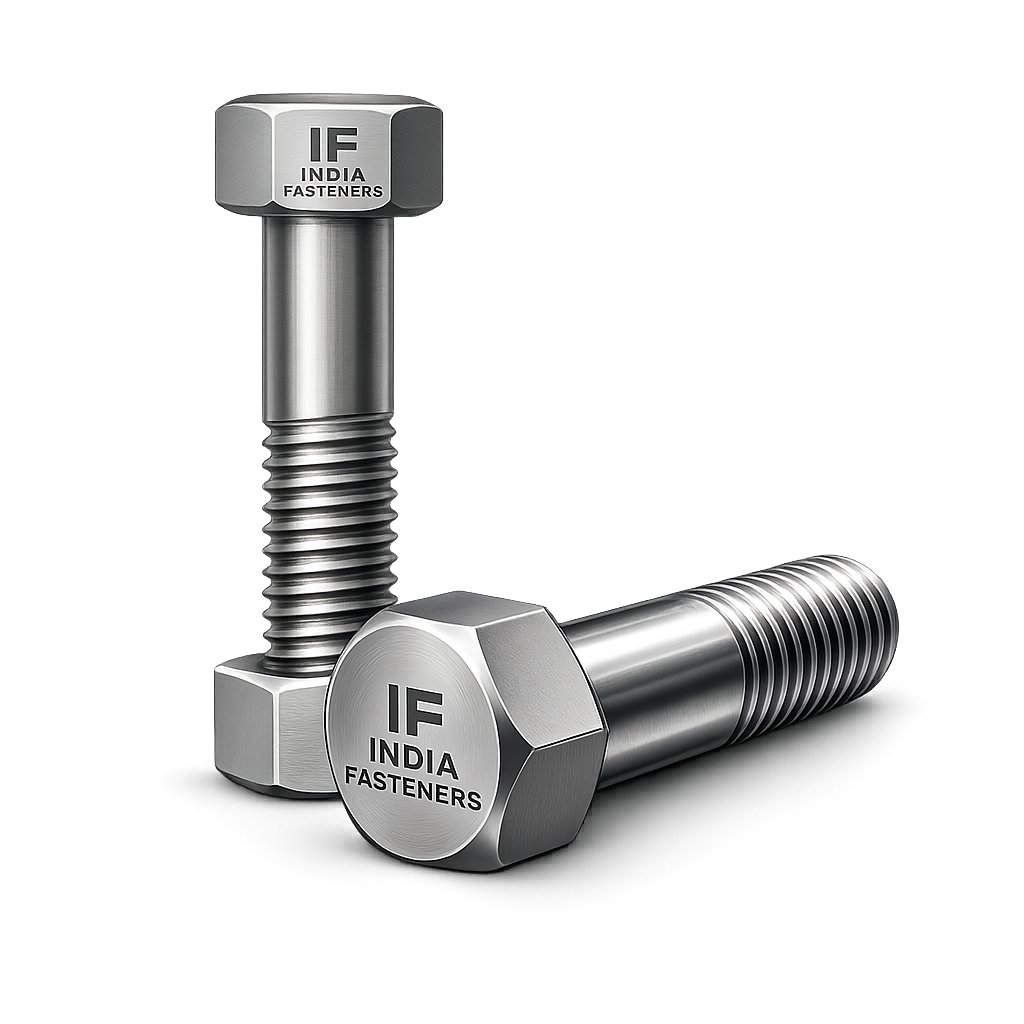
A Heavy Hex Bolt is a high-strength externally threaded mechanical fastener characterized by a hexagonal head with dimensions larger than those of standard hex bolts.
The increased head width and head height provide improved load distribution and greater wrenching surface area, enabling reliable installation in high-tension structural connections.
Heavy hex bolts are primarily designed for structural steel assemblies, pressure equipment bolting systems, and industrial mechanical joints where high clamping force and structural reliability are required.
Dimensional Characteristics
The defining characteristic of a heavy hex bolt is the larger hexagonal head geometry compared with standard hex bolts.
Typical dimensional differences include:
- Increased head width across flats
- Increased head height
- Greater bearing surface beneath the bolt head
These dimensional modifications improve the ability of the bolt to distribute loads across structural surfaces and withstand high tightening torques.
Structural Fastening Applications
Heavy hex bolts are widely used in applications involving:
- Structural steel connections
- Equipment mounting assemblies
- Pressure vessel flange bolting
- Pipe support structures
- Offshore platform assemblies
- Power plant structural frames
These applications often require high bolt tension to maintain joint stability under operational loads.
Standards Governing Heavy Hex Bolts
Heavy hex bolts used in international industrial projects must comply with recognized dimensional and material standards. The following standards are commonly referenced in GCC engineering projects.
ASME B18.2.1
This standard defines the dimensional requirements for hex bolts, heavy hex bolts, and hex cap screws used in mechanical assemblies.
It specifies parameters including:
- Head width across flats
- Head height
- Thread length
- Bolt length tolerances
- General dimensional characteristics
Compliance with ASME B18.2.1 ensures dimensional compatibility between bolts, nuts, washers, and structural assemblies.
ASTM A325
ASTM A325 specifies high-strength structural bolts used in steel construction.
These bolts are commonly used in slip-critical and bearing-type structural connections. ASTM A325 bolts provide high tensile strength and are widely specified in structural engineering design codes.
ASTM A490
ASTM A490 bolts provide higher strength than ASTM A325 bolts and are used in structural connections requiring greater load capacity.
These bolts are typically manufactured from alloy steel and are heat treated to achieve high tensile strength.
ASTM A193
ASTM A193 specifies alloy steel bolting materials designed for high-temperature and high-pressure service.
Grade B7 heavy hex bolts manufactured according to ASTM A193 are widely used in refinery and petrochemical pressure equipment.
ASTM F3125
ASTM F3125 is a consolidated standard covering structural bolts previously defined in ASTM A325 and ASTM A490 specifications.
This standard includes mechanical requirements for several structural bolt grades used in steel construction and infrastructure projects.
3. Mechanical Fastening Principles in Structural Connections
The performance of bolted joints depends on the controlled application of tensile force within the bolt during installation. When a bolt is tightened, the bolt shank elongates slightly, generating tensile stress within the bolt and compressive force between the connected components.
This tensile force is commonly referred to as bolt preload.
Bolt Tension and Preload
Bolt preload is the tensile force introduced into a bolt during tightening. This force creates clamping pressure between the joint components.
The magnitude of the preload determines the load-carrying capacity of the bolted joint.
The theoretical preload force may be expressed as: 
Where:
 = Bolt preload force
 = Tensile stress area of the bolt
 = Proof strength of the bolt material
The preload must be carefully controlled during installation to ensure joint reliability without exceeding the allowable stress limits of the bolt material.
Clamp Force Generation
The clamp force generated by a tightened bolt compresses the connected components together. This clamping force increases friction between the joint surfaces.
If the frictional resistance exceeds the applied external load, the joint remains stable without relative movement between components.
Torque and Tension Relationship
The relationship between applied torque and bolt tension is influenced by thread friction and bearing surface friction.
A simplified torque equation is: 
Where:
 = Applied torque
 = Bolt preload force
 = Nominal bolt diameter
 = Torque coefficient (dependent on friction conditions)
Variations in lubrication, surface coatings, and thread condition can significantly affect the torque coefficient.
Friction-Type Structural Connections
In friction-type or slip-critical connections, external loads are transferred through friction between the connected surfaces.
The frictional resistance can be expressed as:
Where:
 = Coefficient of friction
 = Bolt clamping force
Slip-critical connections are commonly used in structural steel frames where joint movement must be minimized.
Bearing-Type Connections
Although some slip may occur during loading, the bolt ultimately resists the applied load through shear strength.
In bearing-type connections, loads are transferred through direct bearing between the bolt shank and the hole in the connected component.
Joint Relaxation and Preload Loss
Over time, bolt preload may decrease due to several factors:
- Surface embedment
- Material creep
- Temperature cycling
- Vibration
- Gasket compression in flange joints
Engineering design therefore incorporates safety margins to ensure the remaining bolt preload remains sufficient to maintain joint integrity.
Importance of Controlled Tightening
In EPC installations, controlled bolt tightening procedures are required to achieve reliable preload levels.
Typical tightening methods include:
- Torque wrench tightening
- Turn-of-nut method
- Direct tension indicator washers
- Hydraulic bolt tensioning
Controlled installation ensures consistent preload across multi-bolt assemblies and prevents localized overstressing of structural components.
4. Load Distribution in Bolted Joints
Bolted joints must safely transfer mechanical loads generated during operation of industrial equipment and structural systems.
These loads may include tensile forces, shear forces, or a combination of both.
4.1 Shear Load Transfer
Shear forces act parallel to the joint interface and attempt to cause relative movement between connected components.
In bearing-type connections, the bolt shank resists the shear force through shear stress.
The allowable shear capacity of the bolt is determined by the material shear strength and cross-sectional area of the bolt.
4.2 Tensile Load Capacity
Tensile loads act along the axis of the bolt and increase the tensile stress within the bolt shank.
The tensile capacity of the bolt is governed by the tensile strength of the material and the effective tensile stress area of the threaded section.
4.3 Combined Shear and Tension
Many structural connections experience both shear and tensile loading simultaneously. Design codes therefore specify interaction equations to ensure that the combined stress remains within acceptable limits.
Fatigue Loading
Bolts subjected to repeated loading cycles may experience fatigue failure over time.
Fatigue strength depends on factors including:
- Stress range
- Surface finish
- Thread geometry
- Preload level
Maintaining adequate bolt preload helps reduce fatigue stress by minimizing fluctuating stress within the bolt.
Dynamic Vibration Effects
Continuous vibration can gradually loosen bolts if the preload falls below the threshold required to maintain friction between joint surfaces.
High-strength heavy hex bolts with proper installation procedures reduce the likelihood of vibration-induced loosening.
4.4 Common Failure Modes in Bolted Joints
Understanding potential failure modes is essential for designing reliable bolted connections.
Bolt Yielding
If the tensile stress exceeds the yield strength of the bolt material, permanent deformation occurs.
Thread Stripping
Thread stripping may occur if the engaged threads cannot support the applied tensile force.
Head Shear
Excessive shear stress beneath the bolt head may lead to head failure in poorly designed joints.
Joint Slip
Insufficient clamping force may allow the joint to slip under load, potentially leading to progressive structural damage.
4.5 Structural Safety Factors
Structural design codes incorporate safety factors to ensure that bolted joints remain reliable under expected load conditions.
5. Applicable Material Grades for Heavy Hex Bolts
Heavy hex bolts used in structural steel assemblies and pressure equipment installations must be manufactured from materials capable of sustaining high tensile loads while maintaining structural integrity under environmental and operational stresses.
In engineering projects across the Gulf Cooperation Council (GCC) region, material selection for bolting systems is typically governed by internationally recognized standards. These standards define mechanical properties, chemical composition, heat treatment requirements, and quality control procedures.
The selection of a particular bolt material grade depends on several project-specific factors, including load requirements, environmental exposure, temperature range, and service conditions such as corrosive process environments.
The following material grades are widely specified in industrial projects across Saudi Arabia, the United Arab Emirates, Qatar, and other GCC countries.
5.1 ASTM A325 Structural Bolts
ASTM A325 defines high-strength structural bolts intended for use in structural steel connections. These bolts are commonly specified in slip-critical and bearing-type joints used in industrial structures, pipe racks, equipment platforms, and power plant steel frames.
ASTM A325 bolts are manufactured from medium carbon steel that has undergone heat treatment to achieve the mechanical strength required for structural applications.
Typical applications include:
• Structural steel connections in refinery and petrochemical plants
• Pipe rack support structures
• Power plant steel frameworks
• Industrial equipment platforms
• Structural frames in LNG terminals
These bolts provide a balance between strength and ductility, making them suitable for applications where structural reliability and controlled preload are required.
5.2 ASTM A490 Structural Bolts
ASTM A490 bolts provide higher tensile strength compared with ASTM A325 bolts. They are manufactured from alloy steel and undergo quenching and tempering to achieve high mechanical strength.
These bolts are typically used in structural connections requiring greater load-carrying capacity.
Typical applications include:
• Heavy structural steel assemblies
• Offshore platform structural modules
• Crane support structures
• High-load equipment mounting systems
• Long-span industrial pipe racks
Due to their higher strength characteristics, ASTM A490 bolts are often specified for critical structural joints where high preload forces are required to maintain joint stability.
5.3 ASTM A193 Grade B7 Bolting
ASTM A193 Grade B7 bolts are alloy steel fasteners designed for high-temperature and high-pressure service conditions.
These bolts are widely used in refinery, petrochemical, and power generation facilities where pressure equipment requires reliable bolting systems.
ASTM A193 B7 heavy hex bolts are frequently specified for:
• Pressure vessel flange connections
• High-pressure piping systems
• Heat exchanger assemblies
• Pump and compressor casings
• Refinery process equipment
These bolts maintain high tensile strength while providing adequate toughness for elevated temperature applications.
5.4 ASTM A320 Grade L7 Bolting
ASTM A320 Grade L7 bolts are designed for low-temperature service conditions. These bolts undergo specialized heat treatment and impact testing to ensure toughness at sub-zero temperatures.
Applications include:
• LNG processing facilities
• Cryogenic storage systems
• Low-temperature piping assemblies
• Offshore installations exposed to cold environments
Charpy impact testing is typically required for these bolts to verify their ability to resist brittle fracture at low temperatures.
5.5 ASTM F3125 Structural Bolt Specification
ASTM F3125 consolidates several structural bolt standards previously defined in ASTM A325 and ASTM A490 specifications.
The standard defines multiple structural bolt grades, including:
• Grade A325
• Grade A490
• Grade F1852 (twist-off tension control bolts)
• Grade F2280
This standard simplifies procurement by providing a unified specification for structural bolts used in steel construction.
Stainless Steel Bolting Materials
In certain industrial environments, corrosion resistance becomes the primary design consideration. Stainless steel heavy hex bolts are therefore used in applications where carbon or alloy steel bolts may experience corrosion.
Common stainless steel bolting materials include:
5.6 ASTM A193 Grade B8
Grade B8 bolts are manufactured from austenitic stainless steel equivalent to Type 304 stainless steel. These bolts offer good corrosion resistance and are commonly used in moderate temperature environments.
Typical applications include:
• Chemical processing equipment
• Desalination plants
• Water treatment systems
• Instrumentation assemblies
5.7 ASTM A193 Grade B8M
Grade B8M bolts are manufactured from molybdenum-containing austenitic stainless steel equivalent to Type 316 stainless steel.
The addition of molybdenum improves resistance to chloride-induced corrosion, making these bolts suitable for marine and coastal environments.
Applications include:
• Offshore platforms
• Coastal desalination facilities
• Marine piping systems
• Chemical storage installations
6 Material Selection for Sour Service
Oil and gas processing facilities may expose bolting systems to hydrogen sulfide environments commonly referred to as sour service.
Hydrogen sulfide can cause sulfide stress cracking in high-strength steels if proper material controls are not applied.
Bolting materials used in sour service applications must comply with the requirements of NACE MR0175 / ISO 15156. These requirements limit hardness levels and specify material compositions suitable for hydrogen sulfide exposure.
Proper heat treatment and hardness control are essential for preventing sulfide stress cracking in these environments.
6.1 Material Comparison Table
The following table summarizes key mechanical and operational characteristics of commonly used heavy hex bolt materials in industrial applications.
| Grade | Minimum Yield Strength | Minimum Tensile Strength | Operating Temperature Range | Corrosion Resistance | Typical GCC Application |
|---|---|---|---|---|---|
| ASTM A325 | 660 MPa | 830 MPa | -40°C to 120°C | Moderate | Structural steel connections in refineries and pipe racks |
| ASTM A490 | 940 MPa | 1040 MPa | -40°C to 120°C | Moderate | High-load structural frames and offshore modules |
| ASTM A193 B7 | 720 MPa | 860 MPa | -29°C to 425°C | Moderate | Pressure vessel and piping flange bolting |
| ASTM A320 L7 | 720 MPa | 860 MPa | -101°C to 150°C | Moderate | LNG facilities and cryogenic piping |
| ASTM A193 B8 | 205 MPa | 515 MPa | -196°C to 425°C | High | Chemical processing and water treatment |
| ASTM A193 B8M | 205 MPa | 515 MPa | -196°C to 425°C | Very High | Marine and offshore applications |
Material selection must consider both mechanical strength requirements and environmental exposure conditions. Engineers typically evaluate corrosion potential, temperature conditions, and expected load levels when selecting.
7. Heat Treatment and Metallurgical Control
The mechanical strength of high-strength heavy hex bolts is achieved through controlled heat treatment processes applied during manufacturing.
Heat treatment modifies the microstructure of the steel, allowing the material to achieve the required balance between strength, toughness, and ductility.
Several metallurgical processes are used depending on the bolt material grade.
7.1 Quenching
Quenching involves heating the steel to a high temperature followed by rapid cooling, typically in oil or water.
This process transforms the steel microstructure into martensite, a hard and strong phase that significantly increases tensile strength.
However, quenched steel alone may exhibit brittleness and must therefore undergo further heat treatment.
7.2 Tempering
Tempering is performed after quenching and involves reheating the steel to a lower temperature. This process reduces brittleness while maintaining high strength.
Tempering improves the toughness and ductility of the bolt material, allowing it to absorb mechanical stresses without fracturing.
The final mechanical properties of bolts such as ASTM A490 and ASTM A193 B7 are achieved through controlled quenching and tempering cycles.
7.3 Normalizing
Normalizing involves heating the steel above its transformation temperature followed by controlled air cooling.
This process produces a uniform microstructure and improves the mechanical properties of the steel prior to further manufacturing steps.
Normalizing is commonly applied to raw material before forging operations.
7.4 Stress Relieving
Residual stresses may develop during manufacturing processes such as forging, machining, and thread rolling.
Stress relieving involves heating the material to a moderate temperature to reduce internal stresses without significantly altering mechanical properties.
This process improves dimensional stability and reduces the likelihood of distortion during service.
7.5 Hardness Control
Hardness testing is used to verify that the heat treatment process has produced the correct material properties.
Excessive hardness in high-strength bolts may increase susceptibility to brittle fracture or hydrogen embrittlement.
Standards such as ASTM A193 and ASTM F3125 therefore specify maximum hardness limits to ensure reliable service performance.
Hydrogen Embrittlement Prevention
High-strength steel bolts are susceptible to hydrogen embrittlement if hydrogen atoms become trapped within the steel microstructure.
Hydrogen may be introduced during manufacturing processes such as acid pickling or electroplating.
To reduce this risk, manufacturers implement the following controls:
• Controlled plating procedures
• Post-plating hydrogen relief baking
• Hardness limitations for high-strength steels
• Use of alternative surface treatments where appropriate
These measures reduce the likelihood of delayed brittle fracture in service.
7.6Charpy Impact Testing
For applications involving low temperature service, bolts may be subjected to Charpy V-notch impact testing.
This test evaluates the ability of the material to absorb energy during sudden impact loading.
Charpy testing is commonly required for materials used in LNG facilities and other cryogenic applications.
8. Manufacturing Process Flow
The manufacturing of heavy hex bolts involves multiple industrial processes designed to produce fasteners with consistent dimensional accuracy and mechanical strength.
Each stage of production must be controlled to ensure compliance with applicable standards and project specifications.
8.1 Raw Material Inspection
Production begins with the selection and inspection of raw material, typically supplied as alloy steel bar stock or wire rod.
Incoming material is verified through:
• Chemical composition analysis
• Mill test certificate review
• Dimensional inspection
• Surface condition examination
Only material meeting specification requirements is approved for manufacturing.
8.2 Wire Rod or Bar Stock Preparation
The raw material is cut into suitable lengths for forging operations. Material preparation may involve straightening, cleaning, and surface conditioning.
Proper material preparation ensures consistent forging performance and dimensional accuracy.
8.3 Cold Heading or Hot Forging
The bolt head is formed using either cold heading or hot forging processes.
Cold heading involves forming the bolt head at room temperature using high-pressure dies. This process produces excellent dimensional accuracy and work hardening of the material.
Hot forging involves heating the steel prior to forming. This method is used for larger diameter bolts where cold forming forces would be excessive.
Head Formation
The hexagonal bolt head is formed using precision forging dies that shape the material into the required geometry.
Heavy hex bolt heads have larger dimensions than standard hex bolts, requiring carefully designed tooling to maintain dimensional consistency.
Trimming and Sizing
After forging, the bolt head is trimmed to remove excess material and ensure proper geometry.
Dimensional tolerances are checked to confirm compliance with ASME dimensional requirements.
Thread Rolling
Threads are typically formed through thread rolling rather than cutting.
Thread rolling displaces the material to form threads without removing metal. This process strengthens the threads by improving grain flow within the steel.
Advantages of thread rolling include:
• Increased fatigue strength
• Improved surface finish
• Higher thread accuracy
• Greater resistance to thread stripping
Thread rolling is widely preferred for high-strength structural bolts.
8.4 Heat Treatment
After thread rolling, bolts undergo heat treatment to achieve the required mechanical properties.
Heat treatment cycles are carefully controlled to ensure uniform hardness and tensile strength throughout the bolt.
Surface Finishing
Depending on project requirements, bolts may undergo surface finishing processes such as:
• Black oxide treatment
• Phosphate coating
• Zinc plating
• Hot-dip galvanizing
These treatments provide varying levels of corrosion protection.
8.4 Dimensional Inspection
Finished bolts are inspected to verify compliance with dimensional standards.
Inspection includes verification of:
• Head dimensions
• Thread pitch
• Thread length
• Bolt length tolerance
Precision measuring instruments and thread gauges are used to ensure accuracy.
8.5 Marking and Traceability
Heavy hex bolts manufactured for industrial projects must include permanent head markings identifying the material grade and manufacturer.
Traceability systems link each production batch to raw material records, heat treatment documentation, and inspection reports.
This traceability is essential for compliance with project quality assurance requirements.
9. Heavy Hex Bolt Dimensional Tables
Heavy hex bolts used in structural steel assemblies and pressure equipment installations must comply with dimensional requirements defined by international fastener standards. Dimensional consistency is essential to ensure compatibility with heavy hex nuts, hardened washers, and structural steel connection systems used in industrial infrastructure.
The dimensional standard most commonly referenced for heavy hex bolts in international engineering projects is ASME B18.2.1, which defines the geometry and tolerances for hex bolts, hex cap screws, and heavy hex bolts.
Heavy hex bolts differ from standard hex bolts primarily through the following dimensional characteristics:
• Larger head width across flats
• Greater head height
• Larger bearing surface beneath the head
These characteristics provide improved load distribution and increased wrenching surface during installation.
The following dimensional reference table summarizes typical heavy hex bolt dimensions based on ASME B18.2.1 requirements.
9.1 Typical Heavy Hex Bolt Dimensions (ASME B18.2.1 Reference)
| Bolt Diameter | Thread Pitch | Head Width Across Flats | Head Height | Thread Length (Minimum) | Standard Bolt Length Range |
|---|---|---|---|---|---|
| 1/2 in | 13 UNC | 7/8 in | 11/32 in | 1 1/4 in | 1 1/2 in – 6 in |
| 5/8 in | 11 UNC | 1 1/16 in | 27/64 in | 1 1/2 in | 2 in – 8 in |
| 3/4 in | 10 UNC | 1 1/4 in | 1/2 in | 1 3/4 in | 2 in – 10 in |
| 7/8 in | 9 UNC | 1 7/16 in | 37/64 in | 2 in | 2 1/2 in – 12 in |
| 1 in | 8 UNC | 1 5/8 in | 21/32 in | 2 1/4 in | 3 in – 14 in |
| 1 1/8 in | 7 UNC | 1 13/16 in | 3/4 in | 2 1/2 in | 3 in – 16 in |
| 1 1/4 in | 7 UNC | 2 in | 27/32 in | 2 3/4 in | 3 1/2 in – 18 in |
| 1 3/8 in | 6 UNC | 2 1/4 in | 7/8 in | 3 in | 4 in – 20 in |
| 1 1/2 in | 6 UNC | 2 3/8 in | 15/16 in | 3 1/4 in | 4 in – 24 in |
Thread configurations typically follow Unified National Coarse (UNC) thread series for structural bolts. UNC threads provide greater resistance to stripping and improved durability during installation in structural assemblies.
Metric versions of heavy hex bolts may also be manufactured in accordance with ISO dimensional standards when required by project specifications.
9.2 Dimensional Tolerance Considerations
Dimensional tolerances for heavy hex bolts ensure consistent installation performance and compatibility with associated components such as heavy hex nuts and hardened washers.
Critical dimensional tolerances include:
• Head width across flats tolerance
• Head height tolerance
• Thread pitch accuracy
• Thread major and minor diameters
• Overall bolt length tolerance
These tolerances are verified during quality inspection to ensure that bolts conform to ASME dimensional requirements.
10. Mechanical Property Table
The mechanical performance of heavy hex bolts is determined by the material grade, heat treatment process, and manufacturing controls applied during production.
Mechanical properties specified in ASTM structural bolt standards define the allowable stresses and load-carrying capacity of the fastener.
The following table summarizes typical mechanical properties for commonly used heavy hex bolt materials.
10.1 Mechanical Properties of Heavy Hex Bolt Materials
| Grade | Yield Strength | Tensile Strength | Proof Load | Elongation | Hardness Range |
|---|---|---|---|---|---|
| ASTM A325 | 660 MPa | 830 MPa | 580 MPa | 14% | 24 – 35 HRC |
| ASTM A490 | 940 MPa | 1040 MPa | 830 MPa | 12% | 33 – 39 HRC |
| ASTM A193 B7 | 720 MPa | 860 MPa | 620 MPa | 16% | 24 – 35 HRC |
| ASTM A320 L7 | 720 MPa | 860 MPa | 620 MPa | 16% | 24 – 35 HRC |
| ASTM A193 B8 | 205 MPa | 515 MPa | 205 MPa | 30% | 70 – 95 HRB |
| ASTM A193 B8M | 205 MPa | 515 MPa | 205 MPa | 30% | 70 – 95 HRB |
The mechanical properties shown represent minimum requirements defined in ASTM standards. Actual bolt properties may exceed these minimum values depending on the material processing and heat treatment applied.
Proof Load Definition
Proof load represents the maximum load that a bolt can sustain without permanent deformation.
This value is important for determining safe installation torque levels and for ensuring that bolt preload remains within acceptable limits.
Proof load is used during bolt testing to verify that the fastener meets the mechanical performance requirements specified by applicable standards.
Elongation Requirements
Elongation measures the ductility of the bolt material. Higher elongation values indicate greater ability of the material to deform without fracture.
Ductility is important in structural bolts because it allows the fastener to absorb energy during loading events without sudden brittle failure.
Hardness Limits
Hardness testing verifies that the bolt has achieved the required mechanical properties after heat treatment.
Excessive hardness may increase the risk of brittle fracture or hydrogen embrittlement, particularly in high-strength alloy steels.
ASTM standards therefore specify hardness limits to ensure safe service performance.
11. Torque and Preload Table
Proper bolt tightening is essential to achieve the desired preload within structural connections. The relationship between applied torque and bolt tension depends on several variables, including thread friction, surface condition, lubrication, and coating type.
Torque values are typically used as an installation guideline, while more precise tension control methods may be employed in critical applications.
The following table provides typical torque and preload values for heavy hex bolts under standard installation conditions.
11.1 Typical Torque and Preload Values
| Bolt Diameter | Recommended Torque (Dry) | Recommended Torque (Lubricated) | Approximate Clamp Force |
|---|---|---|---|
| 1/2 in | 90 Nm | 70 Nm | 45 kN |
| 5/8 in | 180 Nm | 140 Nm | 70 kN |
| 3/4 in | 320 Nm | 250 Nm | 110 kN |
| 7/8 in | 520 Nm | 400 Nm | 160 kN |
| 1 in | 780 Nm | 600 Nm | 220 kN |
| 1 1/8 in | 1100 Nm | 850 Nm | 290 kN |
| 1 1/4 in | 1500 Nm | 1150 Nm | 370 kN |
| 1 3/8 in | 2000 Nm | 1550 Nm | 460 kN |
| 1 1/2 in | 2600 Nm | 2000 Nm | 560 kN |
Actual installation torque may vary depending on project specifications and lubrication conditions.
11.2 Torque Control vs Tension Control
Two primary methods are used to achieve bolt preload in industrial installations.
Torque Control
Torque control involves tightening the bolt using a calibrated torque wrench until the specified torque value is reached.
This method is widely used due to its simplicity but may produce variations in bolt tension because friction conditions are not always consistent.
Tension Control
Tension control methods directly measure the bolt tension rather than relying solely on torque.
Examples include:
• Hydraulic bolt tensioners
• Direct tension indicator washers
• Load indicating washers
These methods provide more consistent preload levels and are often used in critical structural connections or pressure equipment installations.
12. Surface Coatings and Corrosion Protection
Heavy hex bolts used in industrial facilities must withstand environmental conditions that may promote corrosion.
The selection of surface coatings depends on the operating environment, exposure to moisture, chemical atmosphere, and temperature conditions.
Several coating options are commonly used in industrial projects across the GCC region.
Black Oxide
Black oxide is a conversion coating that provides minimal corrosion protection. It is commonly used for indoor applications where environmental exposure is limited.
Advantages include:
• Uniform appearance
• Minimal dimensional change
• Low processing cost
However, black oxide coatings are not suitable for marine or outdoor environments without additional protective treatments.
Hot-Dip Galvanizing
Hot-dip galvanizing involves immersing the bolt in molten zinc to create a thick protective coating.
This coating provides excellent corrosion resistance, particularly in outdoor and marine environments.
Hot-dip galvanized bolts are commonly used in:
• Structural steel exposed to outdoor conditions
• Coastal infrastructure projects
• Pipeline support structures
• Power transmission towers
However, galvanizing increases thread dimensions and may require oversized nuts to ensure proper thread engagement.
Zinc Electroplating
Zinc plating provides moderate corrosion resistance and is widely used in industrial fasteners.
This process deposits a thin layer of zinc onto the bolt surface through electrochemical methods.
Advantages include:
• Uniform coating thickness
• Smooth surface finish
• Compatibility with many industrial applications
However, zinc plating may introduce hydrogen into high-strength steels, requiring post-plating baking to prevent hydrogen embrittlement.
Phosphate Coating
Phosphate coatings provide improved lubrication and corrosion resistance compared with untreated steel surfaces.
These coatings are commonly used for structural bolts that require controlled friction characteristics during installation.
Phosphate coatings are often combined with lubricants to improve tightening consistency.
PTFE Coating
Polytetrafluoroethylene (PTFE) coatings provide excellent corrosion resistance and low friction characteristics.
These coatings are commonly used in chemical processing plants and offshore installations where exposure to aggressive chemicals may occur.
Environmental Suitability in GCC Conditions
Environmental conditions across the GCC include high humidity in coastal areas, airborne salt exposure, and elevated temperatures.
Coating selection must therefore consider long-term corrosion resistance under these conditions.
Marine environments such as offshore platforms and desalination plants typically require corrosion-resistant coatings or stainless steel fasteners.
13. Inspection and Quality Assurance
Quality assurance procedures are essential to ensure that heavy hex bolts meet the mechanical and dimensional requirements defined by international standards and project specifications.
Inspection activities occur at several stages throughout the manufacturing process.
13.1 Dimensional Verification
Dimensional inspection confirms that the bolt geometry complies with ASME dimensional standards.
Inspection includes measurement of:
• Head dimensions
• Bolt length
• Thread pitch
• Thread length
Precision measuring instruments are used to verify dimensional accuracy.
Thread Gauge Inspection
Thread quality is verified using calibrated thread gauges.
Thread gauges ensure that the bolt threads meet the tolerance requirements defined by Unified thread standards.
This inspection confirms proper thread engagement with mating nuts.
Hardness Testing
Hardness testing is performed after heat treatment to verify that the bolt material has achieved the required mechanical properties.
Common hardness testing methods include:
• Rockwell hardness testing
• Brinell hardness testing
Results must fall within the hardness limits specified in applicable ASTM standards.
13.2 Magnetic Particle Inspection
Magnetic particle testing may be used to detect surface cracks or defects in ferromagnetic materials.
This method involves magnetizing the bolt and applying magnetic particles to reveal discontinuities on the surface.
13.3 Ultrasonic Testing
Ultrasonic inspection may be performed for large-diameter bolts where internal defects must be detected.
High-frequency sound waves are used to identify subsurface discontinuities within the material.
13.4 Coating Thickness Measurement
When bolts are coated with protective layers such as galvanizing or zinc plating, coating thickness must be verified using specialized instruments.
These measurements confirm compliance with coating standards and project specifications.
Quality Documentation
Industrial projects in the oil and gas sector require extensive documentation to verify material compliance and manufacturing quality.
Typical documentation supplied with heavy hex bolts includes:
• Mill Test Certificates (MTC)
• Heat treatment reports
• Mechanical test reports
• Dimensional inspection records
• Coating inspection reports
EN 10204 Certification
Bolts supplied to international engineering projects are commonly delivered with documentation compliant with EN 10204 certification formats.
Two common certification levels include:
EN 10204 Type 3.1
Material test reports validated by the manufacturer confirming that the supplied products meet the specified requirements.
EN 10204 Type 3.2
Independent inspection certification issued by a third-party inspection body.
Third-party inspection agencies commonly involved in international projects include independent inspection organizations specializing in industrial equipment verification.
Positive Material Identification (PMI)
PMI testing may be required for alloy steel or stainless steel bolts to confirm material composition.
This test uses spectroscopic analysis to verify the alloy elements present in the bolt material.
PMI testing ensures that the supplied bolts match the specified material grade.